

MAINTAINING YOUR LDV
`The best way to ensure your LDV performs at its best and retains its value is through regular maintenance. This includes following the recommended servicing schedule outlined in your Owner’s Manual. Our factory trained staff, specialised equipment and genuine LDV parts ensures your vehicle is in the best hands.
Between services, there are a number of simple checks you can do yourself to keep your car in peak driving condition. We’ve outlined the top nine for you below, but you can also find them in your Owner’s Manual. Or if in doubt, please contact us for advice.
LIGHTS
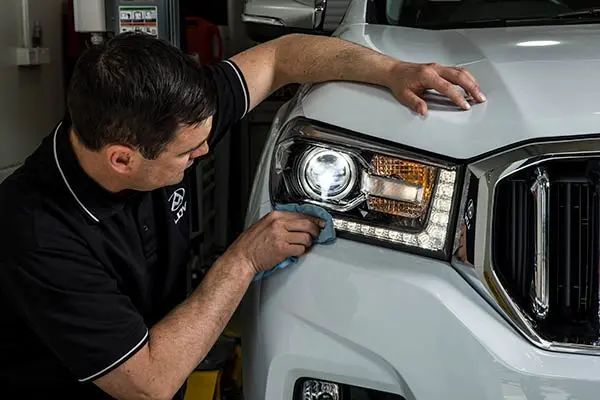
It’s a registration requirement that all lights are in working order, so it’s a good idea to check them regularly. It’s as simple as turning them on and inspecting them from outside the vehicle. This includes your headlights on low and high beam, parking lights, indicators, brake lights, reversing lights and number plate lights. Take a close look at the lens of each light and ensure they are clear of dirt and debris, wiping clean with a damp cloth if needed.
TYRES
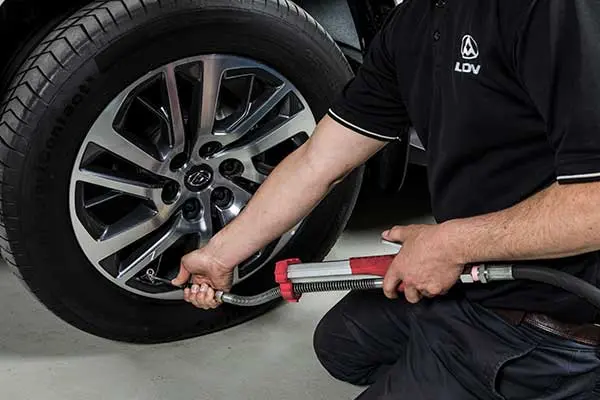
Regularly check the air pressure on all four road tyres as well as the spare. Tyres that are inflated to the recommended air pressure are safer and more fuel efficient. You can find the recommend air pressure for your vehicle’s standard tyres on the tyre placard on the passenger side door pillar. While checking the tyre pressure, also check for any visible tyre damage. Cuts or gashes in the sidewall of the tyre can be dangerous and should be checked by a qualified LDV Technician or tyre fitter as soon as possible.
Next, check the tyre tread. Look for the small indicator moulded into the tread groove that is spaced in intervals around the tyre. These indicate when a tyre is worn beyond its limit of performance and safety. If you think your tyres might be too worn, get them checked immediately by a qualified LDV Technician or tyre fitter.
WINDSCREEN WIPERS
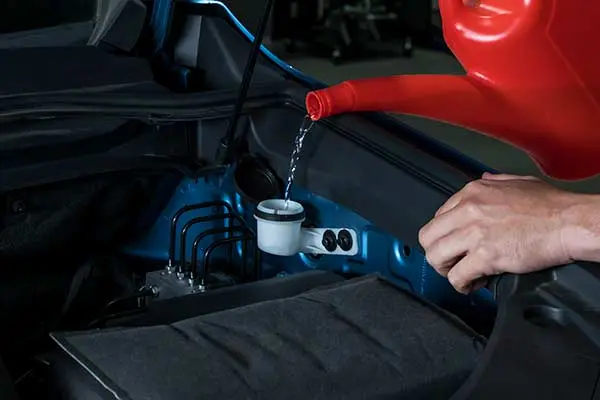
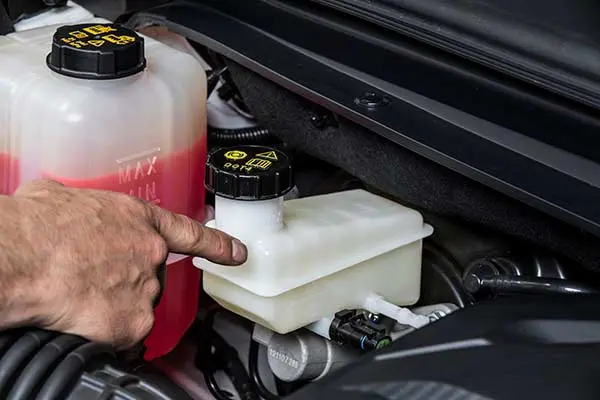
You want to ensure your wipers are clearing the windscreen cleanly without leaving streaks or smears on the glass. That’s why you should clean your wiper blade rubbers regularly; easily done while washing your car. Check there is enough windscreen washer fluid in the reservoir (see image below) and top it up with a reputable washer fluid or water if required. Did you know that good quality washer fluid contains additives to stop bacteria growing into mould or algae that could clog up the hoses?
BRAKE FLUID
Firstly, ensure the vehicle is not running and is parked on flat ground, then visually check the level of brake fluid in the reservoir (as shown in the images). You want to make sure that the fluid is within the minimum and maximum level marks. If it is below minimum do not drive the vehicle and contact your LDV service centre immediately. A low level could indicate underlying brake issues like a leak, worn brake pads or brake discs.
ENGINE OIL
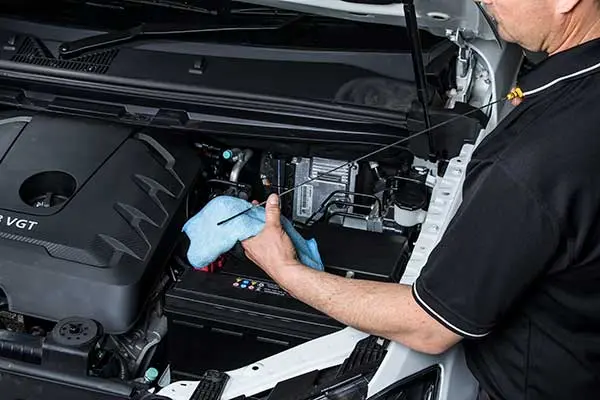
For an accurate reading, you’ll need a warm engine. After it’s been running, park the car on a level surface, turn it off and wait for 10 minutes to let it to cool slightly. Remove the dipstick, wipe it on an old cloth or rag, reinsert it and pull it out again. Check that the oil level sits between the minimum and maximum indicators on the dipstick. If the oil level is too low, you can top it up with the oil type specified in the Owner’s Manual. But be careful not to overfill, as too much oil can damage the engine. Refer to the LDV Owner’s Manual for specified recommendations.
ENGINE COOLANT
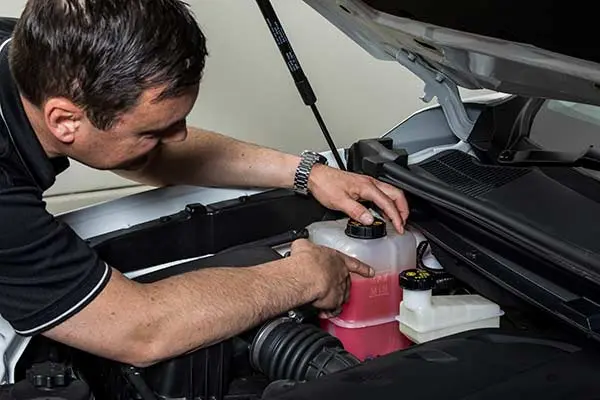
Ensure your vehicle is on level ground, switched off and cold. Locate the coolant reservoir under the bonnet and check that the level of coolant is between the minimum and maximum indicator lines. If it’s low, you can top it up as specified in the Owner’s Manual.
BATTERY
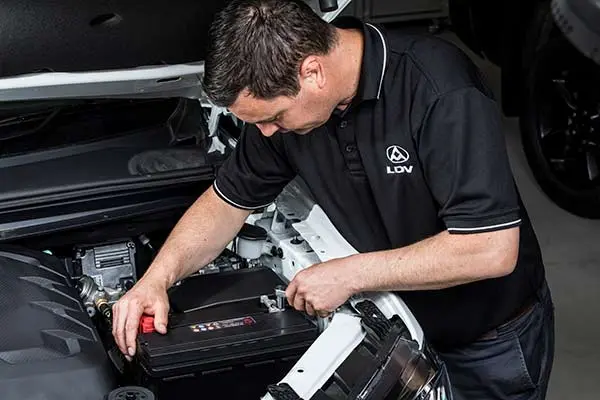
Visually inspect the battery in the engine bay. Look for any leaks or battery acid build up around the terminal clamps. Check the battery is firmly mounted and the bracket is securely holding the battery in place. Refer to your Owner’s Manual for additional information.
ENGINE BAY
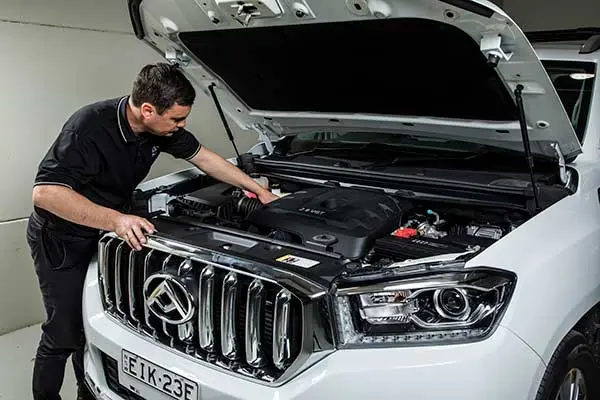
When the engine is turned off and cold, take a close look at the engine bay for any visible leaks, wetness from oil, coolant or water. Make sure hoses are secure and tight with no obvious leaks and check all reservoir caps are secure and tightly fitted. Clear the engine bay of any leaves, dirt or debris, especially below the wiper blade panel. A build-up of dirt can block and deteriorate your cabin filter, causing issues with your air conditioning.
SEATBELTS
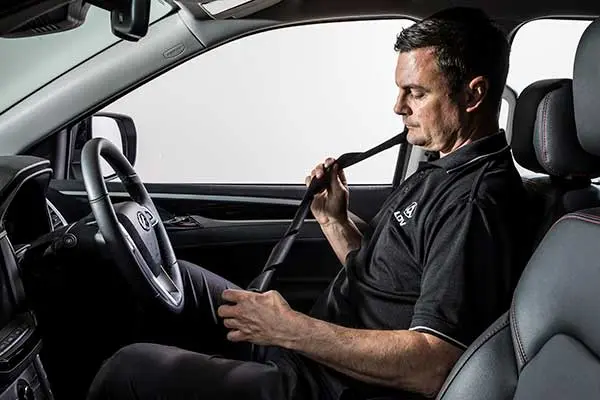
Seatbelts are an important safety feature so it’s important you check them regularly to make sure they are working properly. Check each seatbelt for any visible signs of damage and clean the buckle of any residue. Make sure they are free from twists so they sit firm and flat and properly retract when released. If you have any concerns, contact us.